

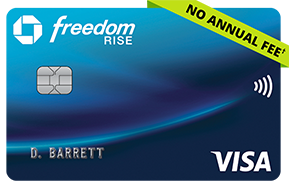
Chase Freedom Rise is Chase’s entry-level credit card designed primarily for people who are new to credit and students.
The card has a $0 annual fee and earns unlimited 1.5% cash back (1.5X Ultimate Rewards Points) on purchases. More importantly, its primary purpose is to help new cardholders establish a U.S. credit history while entering the Chase Ultimate Rewards ecosystem. Chase
👉 Apply for the Chase Freedom Rise
Chase Freedom Rise Benefits
| Benefit | Chase Freedom Rise |
|---|---|
| Annual Fee | $0 |
| Regular Purchases | Unlimited 1.5X |
| Rewards Program | Ultimate Rewards |
| Annual Upgrade Evaluation | Yes |
| Foreign Transaction Fee | 3% |
| Best For | Building U.S. Credit |
Cash-back rewards are tracked as points, with $1 in cash back equal to 100 points. Points do not expire while the account remains open and in good standing under the rewards program terms. Chase
The basic earning structure is therefore extremely simple:
Every Purchase → 1.5X UR Points
There are no rotating categories to manage for the standard earning rate, making Freedom Rise particularly straightforward for someone getting their first U.S. credit card.
Is the Chase Freedom Rise Worth It?
Freedom Rise is designed for a very specific type of cardholder:
New to U.S. Credit
$0 Annual Fee
Unlimited 1.5X UR
If you already have a mature U.S. credit history, Freedom Flex or Freedom Unlimited will generally offer a more compelling rewards structure.
For students, newcomers to the U.S. credit system, or anyone establishing their first credit history, Freedom Rise has a much clearer purpose.
One important drawback is the 3% Foreign Transaction Fee. That makes it a poor choice for international purchases even if you frequently travel between the U.S. and other countries.
Best Pairing Strategy
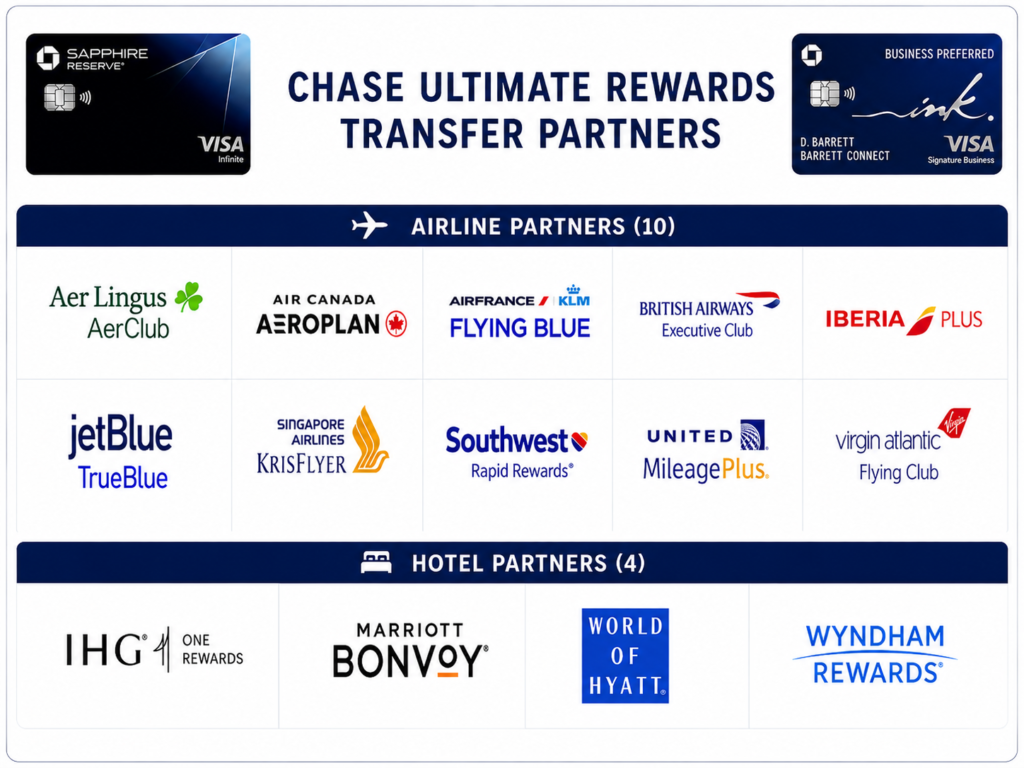
One of the biggest advantages of Chase is that Cash Back Cards can be paired with transferable Ultimate Rewards Cards.
Freedom and certain Ink Cards may present their rewards as Cash Back, but they actually earn Ultimate Rewards. When paired with a Sapphire or Ink Card that offers Transfer Partner access, these points can be transferred to airline and hotel loyalty programs.
The conversion is simple:
1% Cash Back = 1X Ultimate Rewards
1.5% Cash Back = 1.5X Ultimate Rewards
3% Cash Back = 3X Ultimate Rewards
5% Cash Back = 5X Ultimate Rewards
For example, earning 1.5% Cash Back on everyday spending with Freedom Unlimited:
US$100 Spending → $1.50 Cash Back = 150 Ultimate Rewards Points
Using Freedom Flex in a 5% Bonus Category:
US$100 Spending → $5 Cash Back = 500 Ultimate Rewards Points
After pairing with an eligible transferable UR Card:
Cash Back Card → Ultimate Rewards → Transfer-enabled UR Card → Airline / Hotel Transfer Partners
For points and miles enthusiasts, Freedom and Ink Cash Back Cards are therefore not limited to Cash Back. They can also serve as valuable tools for earning Ultimate Rewards.
Chase Freedom Rise Historical Welcome Offers
| Date | Public Welcome Offer | Minimum Spend |
|---|---|---|
| 2023 – Present | $25 Statement Credit | Enroll in Automatic Payments within 3 months and remain enrolled for at least 90 days |
Public offers only. Targeted, referral, branch, mail, and other personalized offers are excluded.
👉 Apply for the Chase Freedom Rise
Chase Ultimate Rewards Credit Card Comparison
Chase credit cards can be divided into Personal Cards and Business Cards, while the Ultimate Rewards ecosystem includes both Cash Back and Points-focused products.
General users can choose cards based on everyday spending, travel, or business expenses. Points and miles enthusiasts can combine different Chase Cards to earn Ultimate Rewards and use cards with Transfer Partner access to build a complete Chase Ultimate Rewards Ecosystem.
Personal Credit Cards
| Credit Card | Annual Fee | Core Role | Foreign Transaction Fee |
|---|---|---|---|
| Freedom Flex | $0 | Quarterly 5X | 3% |
| Freedom Unlimited | $0 | Everyday 1.5X | 3% |
| Freedom Rise | $0 | 1.5X / Build Credit | 3% |
| Sapphire Preferred | US$95 | Travel + UR Transfers | 0% |
| Sapphire Reserve | US$795 | Premium Travel + UR Transfers | 0% |
Business Credit Cards
| Credit Card | Annual Fee | Core Role | Foreign Transaction Fee |
|---|---|---|---|
| Ink Business Cash | $0 | Up to 5X Business Categories | 3% |
| Ink Business Unlimited | $0 | Unlimited 1.5X Business Spending | 3% |
| Ink Business Preferred | US$95 | 3X Business Categories + UR Transfers | 0% |
| Ink Business Premier | US$195 | Large Purchases up to 2.5% Cash Back | 0% |
| Sapphire Reserve for Business | US$795 | Premium Business Travel + UR Transfers | 0% |
Application Rules & Restrictions
When applying for Chase credit cards, keep these key rules in mind:
– 5/24 Rule: If you have opened 5 or more credit card accounts that appear on your personal credit report within the past 24 months, it will generally affect your ability to get approved for a new Chase Card. Most Business Cards that do not report to personal credit reports generally do not add to your 5/24 count.
– Welcome Offer Eligibility: Different Chase Cards have their own Welcome Offer restrictions, and some products also have Card Family Restrictions. Being under 5/24 does not necessarily mean you are eligible for a Welcome Offer.
– Application Timing: Chase does not publish a simple fixed application interval, but submitting multiple Chase applications within a short period may affect approval.
A simple Chase application strategy is:
Check 5/24 → Check Welcome Offer / Family Eligibility → Submit Application
Actual application and Welcome Offer Eligibility requirements are subject to the current terms of each Chase Card.
How Can Foreigners Apply for Chase Credit Cards?
Foreign applicants generally need to establish some U.S. Credit History before applying for Chase credit cards.
If you are new to the U.S. credit card market, one strategy is to first obtain a U.S. Amex through Amex Global Transfer, build your U.S. credit history, and then consider applying for Chase.
Amex Global Transfer → U.S. Amex → Build U.S. Credit History → Chase
Applicants must still meet Chase’s current requirements regarding identification, address, credit history, and other application criteria.