

For Americans living in Japan, JAL Global Club (JGC) is one of the most interesting airline status programs in the world.
Under the old system, the classic approach was the famous “JGC run”: concentrate a large amount of JAL flying into a single year, earn JMB Sapphire through FLY ON Points (FOP) or flight segments, and then join JGC.
That system has changed.
New JGC members now need 1,500 Life Status Points (LSP). Unlike FOP, LSP is a long-term metric that does not reset every year. You can earn it through JAL flights, JAL Card spending, and other eligible parts of the JAL ecosystem.
For someone like me who lives in Japan and can also use U.S.-issued credit cards, I would not try to recreate the old-style mileage run. My strategy would be:
Hold a JAL Platinum in Japan for roughly five years, target about 300 LSP per year through real JAL travel, airfare purchases, and the JAL ecosystem, reach 1,500 LSP, join JGC, and then downgrade to a JGC CLUB-A Gold or another eligible JGC card for long-term membership.
👉 Apply for a JAL Card in Japan
What Is JAL Global Club?
JAL Global Club is designed for travelers with a long-term relationship with Japan Airlines.
The Life Status program begins below JGC level, but 1,500 LSP is the milestone that matters if your goal is JGC and oneworld elite status.
| Life Status | LSP Required | JGC | oneworld Status |
|---|---|---|---|
| JMB elite | 250 | — | — |
| JMB elite plus | 500 | — | — |
| JGC Three Star | 1,500 | Yes | Sapphire |
| JGC Four Star | 3,000 | Yes | Sapphire |
| JGC Five Star | 6,000 | Yes | Sapphire |
| JGC Six Star | 12,000 | Yes | Emerald |
There are benefits at the 250- and 500-LSP levels, but for most people pursuing JGC, the first major goal is straightforward:
1,500 LSP → JGC Three Star → oneworld Sapphire
At 12,000 LSP, JGC Six Star reaches oneworld Emerald, but I view that as a very long-term goal rather than something worth actively mileage-running from day one.
JAL Miles vs. FOP vs. LSP
These three currencies measure completely different things.
| JAL Miles | FOP | LSP | |
|---|---|---|---|
| Main purpose | Award travel | Annual elite status | Life Status / JGC |
| Earn from flying | Yes | Yes | Yes |
| Earn from credit cards | Yes | No | Yes |
| Earn through JAL ecosystem | Some | No | Some services |
| Annual reset | Miles rules apply | Yes | No |
| Think of it as | Award currency | Current-year flying | Lifetime JAL activity |
The easiest way to remember it is:
Miles are for awards. FOP measures how much you fly this year. LSP measures your long-term relationship with JAL.
For the current JGC program, LSP is the key.
The New JGC Qualification Is Harder — But You Have Much More Time
If you tried to earn 1,500 LSP entirely through JAL domestic flying in Japan:
1 eligible domestic flight = 5 LSP
That means starting from zero would require:
300 flight segments
International flights work differently. JAL awards 5 LSP for every 1,000 accumulated international sector miles, and eligible flights are counted at 100% of the sector distance regardless of the flight-mile accrual rate.
So in terms of getting JGC as quickly and cheaply as possible, I actually think the old system was easier.
The difference is that the old strategy often meant flying to Okinawa, Fukuoka, or another domestic destination over and over again simply to generate FOP or segments.
You were literally flying for the sake of flying.
LSP changes the equation because your progress doesn’t disappear at the end of the year.
That makes a multi-year strategy much more attractive.
My Strategy: Hold JAL Platinum for Five Years
The math is simple:
1,500 LSP ÷ 5 years = 300 LSP per year
I would not try to manufacture all 300 LSP through everyday credit card spending.
Instead, I would combine:
JAL international flights + JAL airfare purchased with JAL Platinum + regular JAL Card spending + other Life Status activities
How JAL Card Spending Earns LSP
Japanese-issued JAL Cards currently earn:
5 LSP for every 2,000 eligible JAL Card Shopping Miles
Importantly, eligible Shopping Miles include miles earned through JAL Card contract stores, Shopping Miles Premium, and Add-on Miles.
That last part matters a lot for JAL Platinum.
For regular spending, the math looks like this:
| JAL Card | Regular Earning | Spend per 1 LSP | Theoretical Spend for 1,500 LSP |
|---|---|---|---|
| CLUB-A | ¥200 = 1 mile | ¥80,000 | ¥120M |
| CLUB-A + Shopping Miles Premium | ¥100 = 1 mile | ¥40,000 | ¥60M |
| CLUB-A Gold | ¥100 = 1 mile | ¥40,000 | ¥60M |
| Platinum | ¥100 = 1 mile | ¥40,000 | ¥60M |
| Platinum Pro | ¥100 = 1 mile | ¥40,000 | ¥60M |
This is why I would not recommend trying to spend your way to JGC through ordinary purchases.
And notice something important: CLUB-A Gold, Platinum, and Platinum Pro all have essentially the same LSP efficiency on ordinary spending.
The real reason I like Platinum for this strategy is buying JAL airfare.
Buy JAL Tickets With Platinum: Up to 4 Miles per ¥100
When you use an eligible JAL・JCB Platinum or Platinum Pro for applicable JAL purchases, such as JAL airfare purchased directly from JAL, the earning can stack:
1 Shopping Mile per ¥100
- 1 contract-store mile per ¥100
- 2 Add-on Miles per ¥100
= up to 4 JAL miles per ¥100
Those Add-on Miles count toward LSP.
At the maximum earning rate:
¥50,000 → 2,000 eligible miles → 5 LSP
That’s effectively:
¥10,000 of JAL airfare = 1 LSP
This is the primary reason I would hold JAL Platinum during my JGC qualification period.
The Sweet Spot: Buy the Ticket and Actually Fly
This is where the strategy becomes much more interesting for someone living in Japan.
One international trip can generate LSP in two different ways:
Buy the JAL ticket with Platinum → Shopping Miles → LSP
and then:
Fly the JAL flight → Sector Miles → LSP
You don’t necessarily need expensive premium-cabin tickets either. Because international flight LSP is based on sector distance rather than the Flight Miles earning percentage, I would look for cheap long-haul Economy fares.
Asia Example: Tokyo–Singapore
Tokyo–Singapore is 3,312 sector miles each way, or about 6,624 miles round trip.
Assume I find a JAL Economy ticket for ¥100,000 and buy it directly from JAL with Platinum.
Credit card: about 10 LSP
Flying: about 33 LSP of long-term progress
Total: about 43 LSP
That’s a real trip to Singapore—not a mileage run.
U.S. Example: Tokyo–New York
Tokyo–New York is 6,739 sector miles each way, or about 13,478 miles round trip.
Assume the round-trip Economy ticket costs ¥300,000.
Credit card: about 30 LSP
Flying: about 67.4 LSP of long-term progress
Total: about 97 LSP
Actual flight LSP posts in 1,000-sector-mile increments, with the remaining sector miles carrying forward.
New York isn’t automatically the best route. Chicago, Dallas, Boston, Paris, Frankfurt, and other long-haul destinations can be even more attractive when fares are low.
For LSP purposes, I would look for:
Low fare + long distance
👉 JAL International Sector Mileage Chart
What a Five-Year Plan Could Look Like
Suppose my normal annual travel includes:
Two Tokyo–New York round trips: roughly 194 LSP of progress
Two Tokyo–Singapore round trips: roughly 86 LSP
JAL Card and other Life Status activities: 20+ LSP
That gets me to roughly:
300 LSP per year × 5 years = 1,500 LSP
These airfare prices are only examples, not fixed JAL fares.
The point isn’t that everyone should fly New York twice and Singapore twice every year. It’s that someone already traveling between Japan, the U.S., and Asia could build JGC qualification into trips they were going to take anyway.
Other JAL Services Can Fill the Gap
JAL Life Status isn’t only about flying and credit cards.
Eligible services include programs such as JAL Pay, JAL Mall, JAL Mobile, JAL Wellness & Travel, and JAL NEOBANK, each with its own LSP rules.
I wouldn’t sign up for random services just to generate tiny amounts of LSP.
My approach is simpler:
Let flying do most of the work, use Platinum to maximize eligible JAL purchases, and use the JAL ecosystem to fill the remaining gap.
👉 All Ways to Earn JAL Life Status Points
Old JGC Run vs. the New LSP Strategy
| Old JGC Run | Current LSP Strategy | |
|---|---|---|
| Main metric | FOP / flight segments | LSP |
| Time frame | One year | Multiple years |
| Cost | Generally lower | Potentially much higher |
| Typical strategy | Heavy mileage running | Flying + cards + JAL ecosystem |
| Annual reset pressure | Yes | No |
| Best approach | Short, intense run | Long-term planning |
I don’t view the new program as simply better or worse.
JAL essentially transformed JGC from a short-term elite-status challenge into a long-term customer program.
It’s harder to qualify quickly, but you no longer need to force dozens of unnecessary flights into one calendar year.
After 1,500 LSP: I Would Downgrade From Platinum
Platinum has a specific job in my strategy.
During the qualification phase, I want its Add-on Miles to maximize the LSP generated by JAL airfare purchases.
Once I reach:
1,500 LSP → JGC Three Star → oneworld Sapphire
the card’s job changes.
Instead of accelerating LSP, I primarily need an eligible JGC JAL Card to maintain my membership as a Japan resident.
That’s when I would consider:
JGC Platinum → JGC CLUB-A Gold
If my only priority were maintaining JGC as cheaply as possible, I could also consider an eligible JGC CLUB-A.
So I think of the cards in two phases:
Qualification phase: JAL Platinum
Maintenance phase: JGC CLUB-A Gold or CLUB-A
You don’t necessarily need to keep paying for the card that helped you qualify.
Americans Can Also Earn LSP With the JAL USA CARD
This is where the strategy becomes especially interesting for Americans.
JAL currently recognizes the U.S.-issued JAL USA CARD as an overseas-issued card eligible to generate Life Status Points.
The current conversion is:
1,500 eligible miles earned = 5 LSP
This is actually a different—and more favorable—conversion ratio than the 2,000 Shopping Miles = 5 LSP used by Japanese JAL Cards.
The current JAL USA CARD has two reward structures:
| Basic Rewards | Premium Rewards | |
|---|---|---|
| Regular purchases | $2 = 1 mile | $1 = 1 mile |
| Eligible JAL purchases | $2 = 1 mile | $1 = 2 miles |
| LSP conversion | 1,500 eligible miles = 5 LSP | 1,500 eligible miles = 5 LSP |
For someone pursuing JGC, Premium Rewards is clearly the more interesting option.
At 1 mile per $1 on ordinary purchases:
$1,500 spend → 1,500 miles → 5 LSP
or:
$300 of spending per 1 LSP
The theoretical amount required to generate all 1,500 LSP through ordinary Premium Rewards spending would therefore be:
$450,000
That’s still far too much spending for me to recommend a card-only JGC strategy.
But eligible JAL purchases earn 2 miles per $1, which improves the theoretical LSP efficiency to:
$150 of eligible JAL spending per 1 LSP
For an American who still has U.S. credit cards while living in Japan, this creates another tool for building LSP alongside actual JAL flying.
One important limitation: JAL excludes promotional bonus miles from the overseas-card LSP calculation. What matters here is eligible miles earned through card activity, not a temporary welcome offer. jalusacard.com
👉 JAL USA CARD Official Website
Japan Residents vs. Overseas Residents: JGC Maintenance Is Very Different
Your residence matters after you reach 1,500 LSP.
| Japan Resident | Overseas Resident Without JALCARD | |
|---|---|---|
| JGC requirement | 1,500 LSP | 1,500 LSP |
| Eligible Japanese JGC Card required | Yes | No |
| Initial membership | Hold eligible JGC JAL Card | 2,000 JAL miles |
| Ongoing maintenance | Keep eligible JGC Card | 2,000 JAL miles per renewal |
| JGC Three Star | oneworld Sapphire | oneworld Sapphire |
If You Live in Japan
Japan residents need 1,500 LSP plus an eligible JGC JAL Card to join JGC.
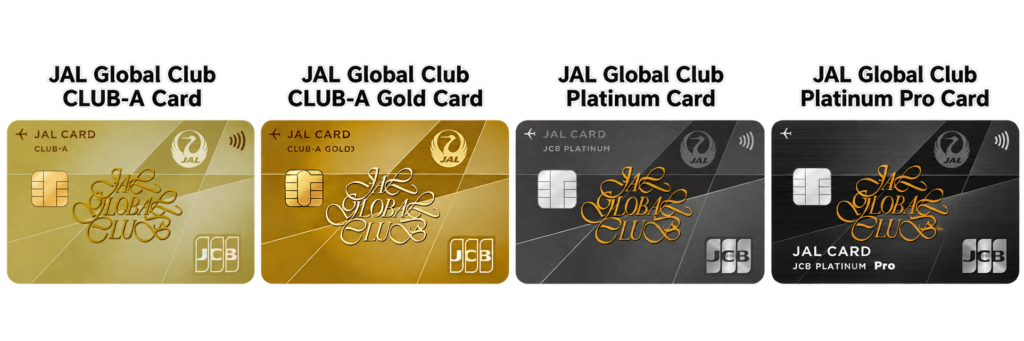
Eligible card grades include CLUB-A, CLUB-A Gold, JAL Diners, Platinum, and Platinum Pro.
As long as you continue holding an eligible JGC JAL Card, your JGC membership renews under the applicable rules.
That’s why my personal path would be:
JAL Platinum → 1,500 LSP → JGC → JGC CLUB-A Gold
👉 JGC Qualification for Japan Residents
If You Later Move Back to the U.S.
JAL also has a separate JGC system for members living outside Japan who do not hold JALCARD.
After reaching 1,500 LSP, an eligible overseas resident can join by paying:
2,000 JAL miles
Renewal then costs:
2,000 JAL miles per service year
JAL attempts to deduct the renewal miles in early February. If the account doesn’t have enough miles, JAL tries again in early March. If the balance is still insufficient, JGC membership ends on March 31.
This creates an interesting long-term angle for an American expat.
You could potentially build your 1,500 LSP while living in Japan, join JGC under the applicable rules, and if you later reside outside Japan, follow JAL’s overseas-resident membership rules rather than assuming you must always maintain JGC exactly the same way as a Japan resident.
👉 JGC Rules for Members Living Outside Japan
Is JGC Three Star Enough?
For me, yes.
If the main goal is JGC and oneworld Sapphire, I would treat:
1,500 LSP as the end of Phase One.
I wouldn’t immediately start another “run” toward 3,000, 6,000, or 12,000 LSP.
JGC Six Star and oneworld Emerald are certainly attractive, but 12,000 LSP is a very different long-term project.
Once I had Three Star, I’d go back to traveling normally and let the remaining LSP accumulate naturally.
Conclusion: I’d Take Five Years Instead of Doing a One-Year JGC Run
The old JGC system was generally faster and cheaper for someone willing to optimize flight runs aggressively.
The current system is much harder to brute-force—but that’s not how I would approach it.
As an American living in Japan, my strategy would be:
JAL Platinum → roughly 300 LSP per year → 1,500 LSP in about five years → JGC Three Star / oneworld Sapphire → downgrade to JGC CLUB-A Gold
I’d use real trips between Japan, the U.S., and Asia, prioritize cheap long-distance JAL Economy fares, pay for eligible JAL tickets with Platinum, and supplement the flying with JAL Card and Life Status activities.
And because I still have access to the U.S. credit card market, the JAL USA CARD provides an additional LSP-earning option that a Japan-only traveler doesn’t have. JAL currently awards 5 LSP for every 1,500 eligible miles earned on the JAL USA CARD. JAPAN AIRLINES (JAL) Official Site
The cost may be higher than the old JGC run, but the philosophy is completely different:
Instead of traveling for the purpose of earning JGC, I can let the travel I was already going to do gradually earn JGC for me.
For an American planning to live in Japan for years, I think that’s the much more interesting way to approach the current JAL Global Club program.
👉 Apply for a JAL Card in Japan