

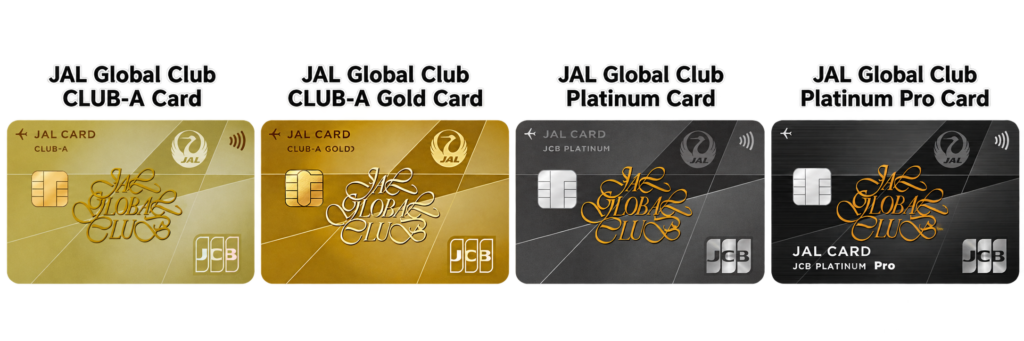
FJAL Global Club (JGC) was once one of Japan’s most attractive airline elite-status opportunities. Under the previous system, travelers could complete an intensive year of flying, qualify for JMB Sapphire, and join JGC to retain oneworld Sapphire benefits over the long term.
That approach has fundamentally changed.
New JGC applicants now need 1,500 Life Status Points (LSP). Unlike annual elite-qualification points, LSP accumulate over time without resetting at the end of each year. Eligible JAL flights, credit card spending, and selected JAL services can all contribute toward qualification.
But where you live makes a major difference.
For travelers based in Japan, combining JAL flights with a Japan-issued JAL Platinum card can make a five- or ten-year qualification strategy possible. For most Americans living in the United States, even the JAL USA CARD does not solve the biggest problem: they simply do not fly JAL frequently enough to make JGC qualification practical.
This guide explains how JGC works, how to earn LSP, whether the Japanese and U.S. JAL credit cards are worth using, and why existing overseas JGC members should be especially careful to protect their membership.
✈️ What Is JAL Global Club (JGC)?
JAL Global Club is a long-term membership program associated with Japan Airlines and JAL Mileage Bank.
Under the Life Status Program, new applicants must accumulate at least 1,500 LSP to become eligible for JGC membership.
| Life Status tier | Required LSP | JGC membership | oneworld status |
|---|---|---|---|
| JMB elite | 250 | No | — |
| JMB elite plus | 500 | No | — |
| JGC Three Star | 1,500 | Yes | Sapphire |
| JGC Four Star | 3,000 | Yes | Sapphire |
| JGC Five Star | 6,000 | Yes | Sapphire |
| JGC Six Star | 12,000 | Yes | Emerald |
The first major target is:
1,500 LSP → JGC Three Star → oneworld Sapphire
Reaching 1,500 LSP establishes eligibility to join JGC. Membership is not activated automatically, and the enrollment requirements depend on where you live.
Why Is oneworld Sapphire Valuable?
oneworld Sapphire provides benefits across eligible flights operated by oneworld member airlines.
| Benefit | oneworld Sapphire |
|---|---|
| Business-class lounge access | Yes, subject to access rules |
| Business-class priority check-in | Yes |
| Priority boarding | Where available |
| Preferred seating | Subject to airline rules |
| Additional baggage allowance | Subject to airline rules |
| Priority baggage handling | Where available |
For travelers who regularly fly oneworld airlines, maintaining Sapphire status without repeating an intensive annual qualification run can be attractive.
That long-term value is the main reason JGC remains interesting.
JGC Family Cards: oneworld Sapphire Without Earning 1,500 LSP
One of the most valuable benefits of JAL Global Club is that eligible family members can join JGC without earning 1,500 Life Status Points themselves.
Japan-based JGC primary cardholders can apply for JGC family cards for eligible spouses, parents, and children aged 18 or older who meet JAL Card’s family membership requirements.
Approved JGC family cardholders can receive JGC membership and oneworld Sapphire benefits without completing their own qualification journey.
For families who frequently travel together, this significantly increases the value of JGC. One person can complete the qualification process while eligible family members enjoy corresponding alliance benefits.
However, this advantage depends on access to an eligible Japan-issued JGC family credit card. Overseas members using JAL’s cardless JGC membership arrangement do not have an equivalent family-card enrollment route.
This distinction is particularly important for Americans considering whether JGC qualification is worth the effort.
📊 JAL Miles vs. FLY ON Points vs. Life Status Points
JAL has three different mileage and status metrics.
| Feature | JAL Miles | FLY ON Points (FOP) | Life Status Points (LSP) |
|---|---|---|---|
| Primary purpose | Award travel | Annual elite status | Long-term qualification |
| Eligible JAL flights | Yes | Yes | Yes |
| Eligible credit card spending | Yes | No | Yes |
| Selected JAL services | Varies | No | Yes |
| Resets annually | Mileage expiration rules apply | Yes | No |
JAL Miles are for redemptions, FOP determine annual elite qualification, and LSP track long-term activity within the JAL ecosystem.
For travelers pursuing new JGC membership, LSP are the most important metric.
🛫 How Do JAL Flights Earn LSP?
JAL domestic and international flights use different LSP formulas.
| Eligible activity | LSP earning rate |
|---|---|
| JAL domestic flight | 5 LSP per segment |
| JAL international flight | 5 LSP per accumulated 1,000 Sector Miles |
Eligible international flights are measured using their qualifying sector distance rather than the flight-mile earning percentage of the fare.
Unused Sector Miles below the next 1,000-mile threshold carry forward.
Why the Old One-Year JGC Run Is No Longer Practical
Under the domestic flight formula:
1,500 LSP ÷ 5 = 300 eligible domestic flight segments
That is a substantial number of flights.
The previous JGC strategy often involved concentrating qualifying flights into a single calendar year. The new system requires much more cumulative activity, but removes the annual deadline.
For someone who already flies JAL regularly, that is an important advantage.
For someone who rarely flies JAL, however, the absence of an annual deadline does not automatically make qualification affordable.
💳 My Strategy: JAL Platinum for Faster Earning, Ten Years as the Baseline
For travelers living in Japan, I would approach JGC as a long-term project rather than an intensive one-year mileage run.
The strategy is to combine international flights I already intend to take with eligible Japan-issued JAL Card spending and other qualifying services.
My targets would be:
| Plan | Total target | Average annual LSP |
|---|---|---|
| Five years | 1,500 LSP | 300 |
| Ten years | 1,500 LSP | 150 |
I would use ten years as the baseline and five years as an accelerated goal.
How Japan-Issued JAL Cards Earn LSP
Eligible JAL Card spending earns:
5 LSP for every 2,000 qualifying Shopping Miles
| JAL Card | Standard earning rate | Spending equivalent per LSP |
|---|---|---|
| CLUB-A | 1 mile / ¥200 | ¥80,000 |
| CLUB-A + Shopping Miles Premium | 1 mile / ¥100 | ¥40,000 |
| CLUB-A Gold | 1 mile / ¥100 | ¥40,000 |
| Platinum | 1 mile / ¥100 | ¥40,000 |
| Platinum Pro | 1 mile / ¥100 | ¥40,000 |
Earning all 1,500 LSP through ordinary spending would require substantial expenditure.
The real advantage of Platinum is not its standard earning rate, which is the same as Gold. It is the additional rewards available on eligible JAL purchases.
Platinum: Up to 4 JAL Miles per ¥100
Eligible JAL Group purchases with a JAL・JCB Platinum or Platinum Pro card can earn:
| Reward component | Miles per ¥100 |
|---|---|
| Standard Shopping Miles | 1 |
| JAL Card partner-store bonus | 1 |
| Add-on Miles | 2 |
| Total | Up to 4 |
Qualifying Add-on Miles are included in the Shopping Miles used to calculate LSP.
At the maximum eligible rate:
¥50,000 in purchases → 2,000 Shopping Miles → 5 LSP
That is equivalent to:
¥10,000 in eligible spending per LSP
This is why I would choose Platinum during the qualification period.
For a full comparison of Japan-issued cards, read my JAL Card Guide: Standard vs. CLUB-A vs. Gold vs. Platinum.
👉 Apply for a JAL Card in Japan
✈️ The Most Efficient Approach: JAL Flights + Platinum Purchases
An eligible JAL international trip can contribute toward LSP through two separate activities:
Buying the ticket with Platinum → Shopping Miles → LSP
Flying the itinerary → Sector Miles → LSP
Because international flight-based LSP are determined by eligible sector distance, buying an expensive business-class ticket does not inherently generate more flight-based LSP than an eligible economy fare on the same route.
For status qualification, reasonably priced long-haul economy flights can therefore make sense.
Tokyo–Singapore vs. Tokyo–New York
The following examples assume a Japan-issued JAL Platinum card and airfare purchases eligible for the maximum earning rate.
| Item | Tokyo–Singapore round trip | Tokyo–New York round trip |
|---|---|---|
| Approximate Sector Miles | 6,624 | 13,478 |
| Illustrative airfare | ¥100,000 | ¥300,000 |
| Flight-based LSP equivalent | 33 | 67 |
| Platinum purchase LSP equivalent | 10 | 30 |
| Combined long-term equivalent | 43 LSP | 97 LSP |
These figures are long-term equivalents, not guaranteed immediate posting amounts. Flight and card LSP are calculated separately, and eligible remainders carry forward.
Airfares are illustrative. The maximum Platinum earning rate requires qualifying purchases.
I would also compare long-haul routes to Chicago, Dallas, Boston, Paris, and Frankfurt whenever reasonably priced fares are available.
The objective is to earn LSP from travel I already want to take—not to add unnecessary flights just to reach a status target.
📅 Five-Year vs. Ten-Year JGC Plans
For Japan-based travelers who regularly fly JAL, the following models illustrate how a long-term strategy could work.
| Annual activity | Five-year plan | Ten-year plan |
|---|---|---|
| Tokyo–New York round trips | 2: 194 LSP | 1: 97 LSP |
| Tokyo–Singapore round trips | 2: 86 LSP | 1: 43 LSP |
| JAL Card / other eligible services | 20 LSP | 10 LSP |
| Annual total | 300 LSP | 150 LSP |
| Estimated completion | 5 years | 10 years |
These are planning examples rather than required flight schedules.
LSP never reset annually, so additional progress earned in a busy travel year remains available in future years.
What If You Cannot Earn Credit Card LSP?
Without an eligible JAL credit card, the example flights contribute only their flight-based LSP.
| Route | Approximate flight-based LSP per round trip |
|---|---|
| Tokyo–Singapore | 33 |
| Tokyo–New York | 67 |
| Plan | Approximate annual flying requirement |
|---|---|
| Five years | 5 New York round trips or 10 Singapore round trips |
| Ten years | 3 New York round trips or 5 Singapore round trips |
For someone living in Japan and regularly using JAL, those flight requirements may still be demanding.
For someone living in the United States who only visits Japan occasionally, they are considerably harder to justify.
That geographic difference matters more than the theoretical ability to earn LSP through a credit card.
🇺🇸 JAL USA CARD: Useful for LSP, but Not a Reason to Chase JGC
The JAL USA CARD is an important exception to the idea that overseas residents can only earn LSP through flying.
Eligible card-earned miles contribute toward Life Status Points at the following rate:
1,500 eligible JAL Miles = 5 LSP
This is different from the Japan-issued JAL Card formula of 2,000 Shopping Miles for 5 LSP.
Basic Rewards vs. Premium Rewards
| Feature | Basic Rewards | Premium Rewards |
|---|---|---|
| Ordinary purchases | 1 mile / $2 | 1 mile / $1 |
| Eligible JAL purchases | 1 mile / $2 | 2 miles / $1 |
| LSP conversion | 1,500 eligible miles = 5 LSP | 1,500 eligible miles = 5 LSP |
| Annual cost | $35 | $85 total |
Premium Rewards earns miles faster, making it the more relevant option for someone actively accumulating LSP.
How Much Spending Is Required?
| Premium Rewards activity | Eligible miles | Long-term LSP equivalent |
|---|---|---|
| $1,500 ordinary spending | 1,500 | 5 |
| $1,500 eligible JAL purchases | 3,000 | 10 |
| $15,000 ordinary spending | 15,000 | 50 |
| $15,000 eligible JAL purchases | 30,000 | 100 |
At the standard Premium Rewards earning rate:
$300 in ordinary purchases = 1 LSP equivalent
At the eligible JAL purchase rate:
$150 in purchases = 1 LSP equivalent
Earning the full 1,500 LSP through ordinary Premium Rewards spending alone would theoretically require approximately $450,000.
That is not a practical credit-card-only qualification strategy for most people.
Promotional bonus miles are also excluded from the overseas-card LSP calculation.
The Real Problem for U.S. Residents: Limited JAL Flying Opportunities
The JAL USA CARD can supplement LSP, but it cannot change where someone lives or which airlines they normally fly.
A traveler based in Tokyo can naturally include JAL flights in trips around Japan, Asia, Europe, and North America.
An American living in the United States usually has far fewer opportunities to fly JAL regularly.
Even if someone visits Japan once or twice a year, earning enough flight-based LSP to make meaningful progress toward 1,500 can take many years.
Credit card spending can reduce the gap, but closing that gap may still require substantial spending or additional flights.
I would only consider a JGC qualification strategy for a U.S. resident who already travels to Japan frequently and regularly chooses JAL.
For most Americans, the JAL USA CARD is better evaluated as a mileage-earning credit card rather than as the foundation of a JGC status run.
Apply for the JAL USA CARD — Official Website
🛍️ Other JAL Services Can Help Close the LSP Gap
The Life Status Program also includes selected services beyond flights and credit cards.
| Service | LSP earning requirement |
|---|---|
| Japan-issued JAL Card | 2,000 qualifying Shopping Miles = 5 LSP |
| JAL Pay | 400 qualifying miles = 1 LSP |
| JAL Pay currency exchange | 300 qualifying miles = 1 LSP |
| JAL Card funding of JAL Pay | 1 LSP per qualifying month under the designated program |
| JAL Mall / other services | According to each service’s rules |
JAL Card funding of JAL Pay requires meeting the applicable monthly funding and usage conditions.
These services can help fill smaller gaps in a qualification plan.
However, they are generally most relevant to travelers already using Japan’s JAL ecosystem.
I would not sign up for every available service solely to collect a few additional LSP.
My strategy is to make eligible international travel the foundation, use credit card spending to improve earning efficiency, and treat other services as supplements.
🔄 Old JGC Qualification vs. the New Life Status Program
| Feature | Previous JGC qualification | Current LSP system |
|---|---|---|
| Main metric | FOP / flight segments | LSP |
| Qualification period | One calendar year | Multiple years |
| Primary strategy | Concentrated flying | Flying + cards + services |
| Annual reset pressure | Yes | No |
| Practical approach | Intensive mileage run | Long-term accumulation |
The new system has made initial JGC qualification significantly more demanding.
But for travelers who already fly JAL regularly, the absence of an annual deadline provides flexibility.
The real difference is that JGC has become less about completing a short-term challenge and more about maintaining a long-term relationship with JAL.
After Joining JGC: Consider Downgrading Platinum
Once you reach 1,500 LSP and successfully join JGC, your credit card strategy can change.
During qualification, Platinum helps accelerate eligible LSP earning.
After qualification, the priority becomes maintaining membership efficiently.
For Japan-based members, eligible JGC cards include CLUB-A, CLUB-A Gold, JAL Diners, Platinum, and Platinum Pro.
If Platinum’s additional benefits no longer justify its cost, I would consider switching to:
JGC Platinum → JGC CLUB-A Gold
Or, if reducing ongoing costs is the main priority:
JGC Platinum → JGC CLUB-A
The strategy has two phases:
Qualification: Use Platinum to accelerate progress toward 1,500 LSP.
Maintenance: Keep an eligible JGC card with a cost structure that makes sense long term.
Use JAL’s official card-conversion procedure rather than canceling the existing JGC card first.
🌍 Better Alternatives for Overseas Travelers Seeking oneworld Sapphire
For most overseas travelers, especially U.S. residents, I would not recommend starting a new JGC qualification run solely to obtain oneworld Sapphire.
Other oneworld programs provide the same alliance status tier.
| Airline | Loyalty program | oneworld Sapphire tier |
|---|---|---|
| American Airlines | AAdvantage | Platinum |
| British Airways | The British Airways Club | Silver |
| Qatar Airways | Privilege Club | Gold |
| Cathay Pacific | Cathay | Gold |
These programs have different earning requirements, eligible-flight rules, and annual renewal thresholds.
They are not automatically easier or cheaper than JGC.
However, for an American who primarily flies American Airlines, pursuing AAdvantage status may fit normal travel patterns far better than deliberately arranging JAL flights.
The same principle applies to travelers who regularly fly British Airways, Qatar Airways, or Cathay Pacific.
The best status program is generally the one that rewards travel you already take—not the one that requires you to change your entire travel pattern.
📝 How to Join JGC After Reaching 1,500 LSP
Reaching 1,500 LSP does not automatically activate JGC membership.
JAL generally makes enrollment available approximately three weeks after eligibility is established.
The application process depends on residence and JAL Card status.
| Applicant | Enrollment route |
|---|---|
| Japan resident with eligible JAL Card | Convert through MyJALCARD |
| Japan resident with standard JAL Card | Convert to eligible JGC CLUB-A |
| Japan resident without JAL Card | Apply for eligible JGC card |
| Applicant changing card network or grade | Contact JAL Card |
| Eligible overseas resident without a JAL Card | Overseas JGC enrollment procedure |
Japan Residents With an Existing JAL Card
After reaching 1,500 LSP:
- Allow approximately three weeks for eligibility to appear.
- Sign in to MyJALCARD.
- Open 「カードの切替・追加」 (Card Changes / Additional Cards).
- Select 「JALグローバルクラブへの入会」 (Join JAL Global Club).
- Review the conversion requirements and submit the application.
- Complete the card conversion and membership activation.
Standard JAL Card holders can apply to convert to JGC CLUB-A when eligible.
Other conversions depend on the card tier and issuing network.
👉 JAL Global Club (JGC) – Official Enrollment
Japan Residents Without a JAL Card
Eligible applicants who do not already hold a JAL Card must apply for an eligible JGC card.
The credit card issuer’s approval process still applies.
Accumulating 1,500 LSP does not guarantee approval for a Japan-issued credit card.
Changing Card Network or Tier
Some changes require a different procedure from a standard same-network conversion.
Contact the JAL Card Contact Center before changing card networks or canceling an existing card.
🌍 Maintaining JGC: Japan Residents vs. Overseas Residents
JGC maintenance differs according to residency and membership arrangement.
| Feature | Japan-based JGC member | Eligible overseas JGC member without a Japan-issued JAL Card |
|---|---|---|
| Initial qualification | 1,500 LSP | 1,500 LSP |
| Membership arrangement | Eligible JGC credit card | Overseas cardless membership |
| Credit card LSP earning | Japan-issued JAL Card | JAL USA CARD may earn LSP for eligible U.S. cardholders |
| Family members can join without 1,500 LSP | Yes, through eligible JGC family cards | No equivalent family-card enrollment route |
| Ongoing requirement | Maintain eligible JGC card | 2,000 JAL Miles per renewal |
| oneworld status at Three Star | Sapphire | Sapphire |
Why the Family Card Difference Matters for Overseas Travelers
For Japan-based travelers, JGC membership can provide benefits beyond the primary member. Once the primary cardholder qualifies, eligible family members can obtain JGC membership through family cards without earning their own 1,500 LSP.
The situation is different for overseas residents who rely on JAL’s cardless JGC membership arrangement.
Although the JAL USA CARD can earn Life Status Points, accumulating enough points to qualify for JGC may still require years of substantial spending and JAL flying.
More importantly, the overseas cardless membership arrangement does not provide the same family-card enrollment benefit available through Japan-issued JGC cards.
As a result, an overseas member who reaches 1,500 LSP cannot simply extend JGC membership to eligible relatives through the Japanese JGC family-card system.
For most U.S. residents, this reduces the value of pursuing JGC from scratch even further. The qualification effort is substantial, while one of the most attractive family benefits is unavailable through the overseas cardless arrangement.
| Feature | Japan-based JGC member | Eligible overseas JGC member without a JAL Card |
|---|---|---|
| Initial qualification | 1,500 LSP | 1,500 LSP |
| Membership arrangement | Eligible JGC card | Overseas membership |
| Ongoing requirement | Maintain eligible JGC card | 2,000 JAL Miles per renewal |
| oneworld status at Three Star | Sapphire | Sapphire |
Japan Residents: Maintain an Eligible JGC Card
After joining JGC, Japan-based members generally maintain membership by continuing to hold an eligible JGC card.
They do not need to accumulate another 1,500 LSP every year.
This is why a Platinum-to-Gold or Platinum-to-CLUB-A conversion can be valuable after qualification.
Overseas Residents: 2,000 Miles to Join and Renew
Eligible overseas residents without a JAL Card can enroll through JAL’s overseas JGC membership procedure after meeting the 1,500-LSP requirement.
The mileage-based system requires:
Initial enrollment: 2,000 JAL Miles
Each membership renewal: 2,000 JAL Miles
JAL normally attempts the renewal deduction in early February.
If the account does not contain enough miles, another deduction is attempted in early March.
If the required miles still cannot be deducted, JGC membership ends on March 31.
This is a major difference between starting a new JGC qualification run and maintaining an existing membership.
Earning 1,500 LSP can require years of flying and spending. Maintaining an eligible overseas JGC membership can cost just 2,000 miles per renewal.
⚠️ Why You Should Avoid Letting Existing JGC Membership Lapse
For Japan-based members, canceling the final eligible JGC card generally ends membership.
For eligible overseas members using mileage-based renewal, insufficient miles at renewal can also lead to termination.
If membership ends, travelers should not assume they can simply restore the same status without meeting the applicable re-enrollment requirements.
For Japan-based members who want to reduce card costs, I would investigate an eligible JGC card conversion rather than canceling membership outright.
For overseas members, I would make sure the JAL Mileage Bank account contains enough miles before the annual deduction.
An existing JGC membership can be much easier to maintain than to obtain again.
🏆 Is JGC Three Star Enough?
For my strategy, yes.
If the main objective is JGC membership and oneworld Sapphire, 1,500 LSP is the first major finish line.
| Tier | Required LSP | oneworld status |
|---|---|---|
| JGC Three Star | 1,500 | Sapphire |
| JGC Four Star | 3,000 | Sapphire |
| JGC Five Star | 6,000 | Sapphire |
| JGC Six Star | 12,000 | Emerald |
Higher Star Grades provide additional benefits, and Six Star offers oneworld Emerald.
However, I would not begin another intensive status run immediately after reaching Three Star.
I would return to normal travel and allow additional LSP to accumulate naturally.
🔗 Official JAL Resources
| Resource | Link |
|---|---|
| Life Status Points earning rules | JAL Official LSP Guide |
| JGC overseas membership requirements | JAL Official Overseas JGC Guide |
| Japan-issued JAL Card | Official JAL Card Website |
| JAL USA CARD | Official JAL USA CARD Website |
🏁 Conclusion: JGC Is More Valuable for Japan-Based Travelers and Their Families
JAL has transformed JGC from a one-year flying challenge into a long-term loyalty program.
For travelers living in Japan who already fly JAL regularly, accumulating 1,500 LSP over several years can be a reasonable goal.
My preferred strategy is to use ten years as the baseline and five years as an accelerated target, combining JAL international flights, eligible Platinum airfare purchases, and normal JAL Card spending.
One of the biggest advantages is family membership. Once the primary cardholder qualifies for JGC, eligible family members can obtain JGC membership and oneworld Sapphire through JGC family cards without earning their own 1,500 LSP.
This makes JGC particularly valuable for Japan-based families who frequently travel on oneworld airlines.
After securing JGC membership, I would consider switching from Platinum to JGC CLUB-A Gold or CLUB-A to reduce long-term card costs while maintaining membership.
For Americans living in the United States, however, the calculation is different.
The JAL USA CARD offers a legitimate way to earn LSP through eligible credit card spending. Nevertheless, reaching 1,500 LSP can still require substantial spending and frequent JAL flights.
Overseas members using the cardless JGC arrangement also cannot take advantage of the same family-card enrollment system available to Japan-issued JGC cardholders. This means they face a demanding qualification process without being able to extend membership to family members in the same way.
Unless JAL is already one of your primary airlines, I would not recommend pursuing JGC from scratch as a U.S. resident.
Travelers primarily seeking oneworld Sapphire should first consider the loyalty programs of the airlines they already fly regularly.
Existing Overseas JGC Members Should Protect Their Membership
Starting from zero and maintaining an existing JGC membership are completely different decisions.
For existing overseas members eligible for mileage-based renewal, maintaining JGC for 2,000 JAL Miles per renewal can be exceptionally valuable compared with the effort required to accumulate 1,500 LSP again.
Make sure your JAL Mileage Bank account contains enough miles before the annual renewal deduction. Losing an established membership because of an insufficient mileage balance could be an expensive mistake.
My conclusion: JGC is best suited to travelers who can build LSP naturally through Japan’s JAL ecosystem and take advantage of family-card benefits. For most Americans and other overseas residents, a new JGC qualification run is difficult to justify—but an existing overseas JGC membership is well worth protecting.