
If you’re an American living in Japan, earning airline miles through Japanese credit cards works very differently from what you may be used to in the U.S.
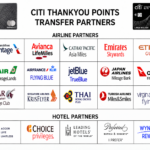
There is no broad equivalent to the U.S. ecosystem of Amex Membership Rewards, Chase Ultimate Rewards, Citi ThankYou Points, Capital One Miles, and Bilt Rewards all competing with large transfer-partner networks.
Instead, Japan’s most useful strategies generally fall into four categories:
| Earning Strategy | Main Card / Program | Key Advantage |
|---|---|---|
| Flexible credit card points | American Express Membership Rewards | Transfer to ANA, JAL, Avios, Asia Miles and more |
| Hotel points | Marriott Bonvoy American Express Premium Card | ¥100 = 3 Bonvoy Points with a broad airline network |
| ANA co-branded cards | ANA Card | Earn ANA Mileage Club miles directly |
| JAL co-branded cards | JAL Card | Earn JAL Mileage Bank miles directly |
The biggest decision is whether you want to commit to ANA or JAL from the beginning, or keep your points flexible until you actually find award availability.
For Americans living in Japan, that distinction is especially important. A Japanese airline card can be excellent for everyday spending, while transferable points can give you more options when you need to book an international award.
How Fast Can Japanese Credit Cards Earn Airline Miles?
Because the everyday earning rates of these cards are known, we can compare them using one common metric:
How much everyday spending does it take to earn one airline mile?
| Earning Strategy | Miles per ¥100 | Approx. Spending per Mile |
|---|---|---|
| ANA VISA Platinum Premium Card | 1.5 ANA miles | ~¥67 |
| Marriott Bonvoy Premium + eligible 60K transfer bonus | 1.25 miles* | ¥80 |
| Marriott Bonvoy Premium — standard transfer | 1 mile | ¥100 |
| Amex MR → ANA | 1 ANA mile | ¥100 |
| JAL Card + Shopping Miles Premium | 1 JAL mile | ¥100 |
| Amex MR → most other airline partners | 0.8 mile | ¥125 |
| Amex MR → JAL | 0.4 JAL mile | ¥250 |
*For airline partners eligible for the Marriott 60,000-point transfer bonus.
This is only an earning-rate comparison. One ANA mile, one Avios, and one Aeroplan point do not necessarily have the same redemption value.
Award pricing, award availability, routing rules, taxes, and fuel surcharges can easily matter more than the raw earning rate.
American Express Membership Rewards in Japan
American Express Membership Rewards is one of the most important transferable credit card currencies available to residents of Japan.
Standard purchases generally earn:
¥100 = 1 Membership Rewards Point
The three main personal MR cards are:
American Express Gold Preferred Card
American Express Platinum Card
For a complete side-by-side comparison:
👉 American Express Personal Cards in Japan: Green vs. Gold Preferred vs. Platinum
Japan Amex MR Airline Transfer Rates
Membership Rewards Plus significantly improves many airline transfer rates.
| Airline Program | Alliance | Standard MR | With MR Plus |
|---|---|---|---|
| ANA Mileage Club | Star Alliance | 2,000 → 1,000 | 1,000 → 1,000 |
| JAL Mileage Bank | oneworld | 3,000 → 1,000 | 2,500 → 1,000 |
| Singapore Airlines KrisFlyer | Star Alliance | 2,000 → 1,000 | 1,250 → 1,000 |
| Thai Airways Royal Orchid Plus | Star Alliance | 2,000 → 1,000 | 1,250 → 1,000 |
| Cathay Asia Miles | oneworld | 2,000 → 1,000 | 1,250 → 1,000 |
| British Airways Club | oneworld | 2,000 → 1,000 | 1,250 → 1,000 Avios |
| Qatar Airways Privilege Club | oneworld | 2,000 → 1,000 | 1,250 → 1,000 Avios |
| Qantas Frequent Flyer | oneworld | 2,000 → 1,000 | 1,250 → 1,000 |
| Flying Blue | SkyTeam | 2,000 → 1,000 | 1,250 → 1,000 |
| Delta SkyMiles | SkyTeam | 2,000 → 1,000 | 1,250 → 1,000 |
| Virgin Atlantic Flying Club | SkyTeam | 2,000 → 1,000 | 1,250 → 1,000 |
| SAS EuroBonus | SkyTeam | 2,000 → 1,000 | 1,250 → 1,000 |
| Emirates Skywards | — | 2,000 → 1,000 | 1,250 → 1,000 |
Amex MR → ANA Mileage Club
ANA is the standout transfer option for Japan-issued Membership Rewards.
With Membership Rewards Plus:
1,000 MR → 1,000 ANA miles
Since everyday spending earns 1 MR per ¥100:
¥100 spending → 1 ANA mile
The Green, Gold Preferred, and Platinum cards all earn Membership Rewards, but the cost of accessing MR Plus and ANA transfers differs by card. The Japan Platinum Card includes complimentary access to both after enrollment, while the Green Card requires separate paid enrollment.
For the full card comparison:
👉 American Express Personal Cards in Japan
Amex MR → Other Airlines
Most of the other airline partners follow this MR Plus rate:
1,250 MR → 1,000 miles
At the standard ¥100 = 1 MR earning rate:
¥125 spending → 1 airline mile
This gives MR a useful role beyond ANA.
Instead of deciding in advance that all of your spending should become ANA or JAL miles, you can hold MR until you find an award and then consider programs such as KrisFlyer, Asia Miles, British Airways Avios, Qatar Airways Avios, or Flying Blue.
Amex MR → JAL Mileage Bank
JAL uses a less favorable transfer ratio:
2,500 MR → 1,000 JAL miles
At ¥100 = 1 MR:
¥250 spending → 1 JAL mile
That makes direct JAL Card earning particularly relevant if JAL Mileage Bank is your primary target.
Marriott Bonvoy Premium Is Also an Airline Miles Card
The Marriott Bonvoy American Express Premium Card is technically a hotel credit card, but its airline-transfer capability makes it unusually useful for miles collectors living in Japan.
Everyday spending earns:
¥100 = 3 Marriott Bonvoy Points
Those Bonvoy points can then be transferred to a large number of airline loyalty programs.
There is also a standard version:
👉 Marriott Bonvoy American Express Card
The standard card earns 2 Bonvoy Points per ¥100 on general purchases, while Premium earns 3 points per ¥100, making Premium much more interesting when airline-mile earning is the objective.
Standard Transfers: ¥100 = 1 Mile
For most airline partners, the standard Marriott transfer ratio is:
3 Bonvoy Points → 1 airline mile
Since the Premium Card earns 3 Bonvoy Points per ¥100:
¥100 spending
→ 3 Bonvoy Points
→ 1 airline mile
That works out to:
¥100 = 1 mile
60,000 Bonvoy Points → 25,000 Miles
The more interesting strategy appears when transferring points in 60,000-point increments to eligible airline partners.
For eligible programs:
60,000 Bonvoy Points
→ 20,000 base miles
→ +5,000 bonus miles
→ 25,000 miles
With the Premium Card earning 3 points per ¥100, earning 60,000 Bonvoy Points requires:
¥2,000,000 in everyday spending
That becomes:
25,000 airline miles
The effective earning rate is therefore:
¥80 = 1 mile
or:
¥100 = 1.25 miles
This is why the Marriott Bonvoy Premium Card deserves to be considered alongside airline-mile cards rather than only as a Marriott hotel card.
For a broader comparison of the Marriott credit card ecosystems:
👉 Japan vs. U.S. Marriott Credit Cards
Amex MR vs. Marriott Bonvoy Airline Partners
The real advantage of transferable points becomes clearer when you look at which airline programs you can actually access.
Star Alliance
| Airline Program | Amex MR | Marriott Bonvoy |
|---|---|---|
| ANA Mileage Club | ✓ | ✓ |
| Singapore Airlines KrisFlyer | ✓ | ✓ |
| Thai Airways Royal Orchid Plus | ✓ | ✓ |
| Air Canada Aeroplan | — | ✓ |
| Avianca LifeMiles | — | ✓ |
| United MileagePlus | — | ✓ |
| Turkish Airlines Miles&Smiles | — | ✓ |
For someone living in Japan, ANA is an obvious option—but it is not the only way to book Star Alliance flights.
Marriott’s ability to access programs such as Aeroplan, LifeMiles, and MileagePlus can become useful when the same flight has different award pricing or fees depending on which program you use.
oneworld
| Airline Program | Amex MR | Marriott Bonvoy |
|---|---|---|
| JAL Mileage Bank | ✓ | ✓ |
| Cathay Asia Miles | ✓ | ✓ |
| British Airways Avios | ✓ | ✓ |
| Qatar Airways Avios | ✓ | ✓ |
| Qantas Frequent Flyer | ✓ | ✓ |
| Alaska Atmos Rewards | — | ✓ |
For Japan-based travelers, JAL Mileage Bank is only one part of the oneworld picture.
Depending on the route, Asia Miles or Avios may offer a very different way to book the same airline or itinerary.
SkyTeam
| Airline Program | Amex MR | Marriott Bonvoy |
|---|---|---|
| Flying Blue | ✓ | ✓ |
| Delta SkyMiles | ✓ | ✓ |
| Virgin Atlantic Flying Club | ✓ | ✓ |
| SAS EuroBonus | ✓ | ✓ |
Japan also has locally issued Delta co-branded cards.
👉 Delta SkyMiles American Express Card Japan
👉 Delta SkyMiles American Express Gold Card Japan
The Gold version is especially interesting because it can provide a path to Delta Gold Medallion and therefore SkyTeam Elite Plus through Japanese credit card spending.
ANA Cards: Earn ANA Miles Directly
If ANA Mileage Club is already your primary program, you do not necessarily need to earn transferable points first.
Japan has a large ANA credit card ecosystem.
ANA Visa / Mastercard
👉 ANA Visa / Mastercard Guide: Standard vs. Wide vs. Wide Gold vs. Premium
The Sumitomo Mitsui lineup ranges from inexpensive Standard and Wide cards all the way to the ANA VISA Platinum Premium Card.
The Premium card earns:
¥200 = 3 ANA miles
or:
¥100 = 1.5 ANA miles
That is approximately:
¥67 in spending per ANA mile
ANA American Express Cards
Japan also has three ANA American Express personal cards:
👉 ANA American Express Gold Card
👉 ANA American Express Premium Card
The basic ANA Amex earns 1 point per ¥100 on everyday spending and can transfer those points to ANA at 1 point = 1 ANA mile after enrollment in the applicable transfer course. Higher tiers increase rewards on eligible ANA spending and add additional travel benefits.
The strategic difference is simple:
| Flexible Amex MR | ANA Card |
|---|---|
| Keep points flexible | Commit to ANA |
| Multiple airline partners | Primarily ANA Mileage Club |
| Transfer after finding an award | Mileage strategy is determined earlier |
| Better for optionality | Better for concentrated ANA earning |
JAL Cards: Earn JAL Mileage Bank Miles Directly
JAL has its own extensive credit card ecosystem in Japan.
👉 JAL Card Guide: Standard vs. CLUB-A vs. CLUB-A Gold vs. Platinum vs. Platinum Pro
Standard and CLUB-A cards normally earn:
¥200 = 1 JAL mile
With Shopping Miles Premium:
¥100 = 1 JAL mile
CLUB-A Gold, Platinum, and Platinum Pro already include Shopping Miles Premium, while Standard and CLUB-A cardholders can enroll separately.
JAL Card Partner Merchants can increase that to:
¥100 = 2 JAL miles
and eligible purchases on certain higher-tier cards can earn even more.
For the broad everyday-spending comparison in this guide, the useful baseline is:
¥100 = 1 JAL mile
JAL Card spending also has another interesting dimension: eligible Shopping Miles can contribute toward Life Status Points, which are part of JAL’s long-term status ecosystem and can eventually connect to JAL Global Club eligibility.
Japan Credit Card Airline-Mile Earning Comparison
Putting the main strategies together:
| Strategy | Everyday-Spending Equivalent | Airline Flexibility | Main Feature |
|---|---|---|---|
| ANA VISA Platinum Premium | ~¥67 = 1 ANA mile | ANA | 1.5 ANA miles / ¥100 |
| Marriott Bonvoy Premium + eligible 60K bonus | ¥80 = 1 mile | Broad | Flexible airline transfers |
| Marriott Bonvoy Premium standard transfer | ¥100 = 1 mile | Broad | Hotel + airline flexibility |
| Amex MR → ANA | ¥100 = 1 ANA mile | ANA | Strong MR transfer ratio |
| JAL Card + Shopping Miles Premium | ¥100 = 1 JAL mile | JAL | Direct JAL earning |
| Amex MR → most airline partners | ¥125 = 1 mile | Multiple | Transfer flexibility |
| Amex MR → JAL | ¥250 = 1 JAL mile | JAL | JAL accessible through MR |
The important point is that miles are not interchangeable currencies.
Earning 1.5 ANA miles per ¥100 is not automatically more valuable than earning 1.25 miles per ¥100 that can ultimately become Aeroplan, Avios, or another currency.
The value depends on what you are actually trying to book.
Find Award Space Before Transferring Points
Direct airline cards and transferable points work very differently.
With an ANA Card:
Spend → ANA miles
With a JAL Card:
Spend → JAL miles
With Amex MR or Marriott Bonvoy:
Spend → points → hold points → find award space → choose a mileage program → transfer → book
A more efficient award-booking workflow is:
Search flights → find award space → identify which mileage programs can book it → compare mileage requirements and taxes → choose your points source → transfer → book
For example, a Star Alliance award might potentially be booked through:
ANA Mileage Club, Aeroplan, LifeMiles, KrisFlyer, or United MileagePlus
A oneworld award might potentially be booked through:
JAL Mileage Bank, Asia Miles, British Airways Avios, Qatar Airways Avios, or Atmos Rewards
This is why the number of airline programs you can access can be just as important as the raw earning rate.
Why “Yen per Mile” Is Only the Starting Point
Japanese credit cards make it relatively easy to calculate an everyday-spending cost per mile.
But that number alone does not tell you which mileage currency will produce the best award.
The complete process is:
Credit card spending → points → airline miles → award pricing → award availability → taxes and surcharges
For example:
¥100 = 1.5 ANA miles
is not automatically superior to:
¥100 = 1.25 miles in another airline program
The second program might require fewer miles for a particular route, impose lower surcharges, or have better access to the award seat you actually want.
For travelers living in Japan, the more useful question is therefore:
Where do I want to fly, which programs can book that award, and which Japanese credit card points can get me those miles?
Four Main Ways to Earn Airline Miles With Credit Cards in Japan
American Express Membership Rewards gives you flexibility. Standard spending earns 1 MR per ¥100, and the points can eventually become ANA miles, JAL miles, Avios, Asia Miles, KrisFlyer, Flying Blue and several other currencies.
Marriott Bonvoy American Express Premium Card earns 3 Bonvoy Points per ¥100. Standard airline transfers work out to roughly ¥100 per mile for most partners, while eligible 60,000-point transfers can improve the effective rate to approximately ¥80 per mile.
ANA Cards make sense when you already know that ANA Mileage Club is where you want your everyday spending to go. The ANA VISA Platinum Premium Card can earn 1.5 ANA miles per ¥100 on standard spending.
JAL Cards provide the direct route into JAL Mileage Bank. With Shopping Miles Premium, the standard earning rate becomes 1 JAL mile per ¥100, while JAL Card Partner Merchants can earn more.
The key distinction is flexibility versus concentration.
If you already know you will primarily use ANA or JAL, a co-branded airline card gives you a direct path.
If you would rather wait until you find the award seat you actually want, Amex Membership Rewards and Marriott Bonvoy Points give you more ways to choose the mileage program at the time of booking.
From there, the next step is to compare award charts, sweet spots, award availability, taxes, and surcharges—because earning the miles is only the first half of the strategy.